Fastest AI web maker for free
Build and go live with a real domain in under an hour, no technical skills required—here's how AI Web Maker makes it simple.
See everything AI Web Maker can do for you.
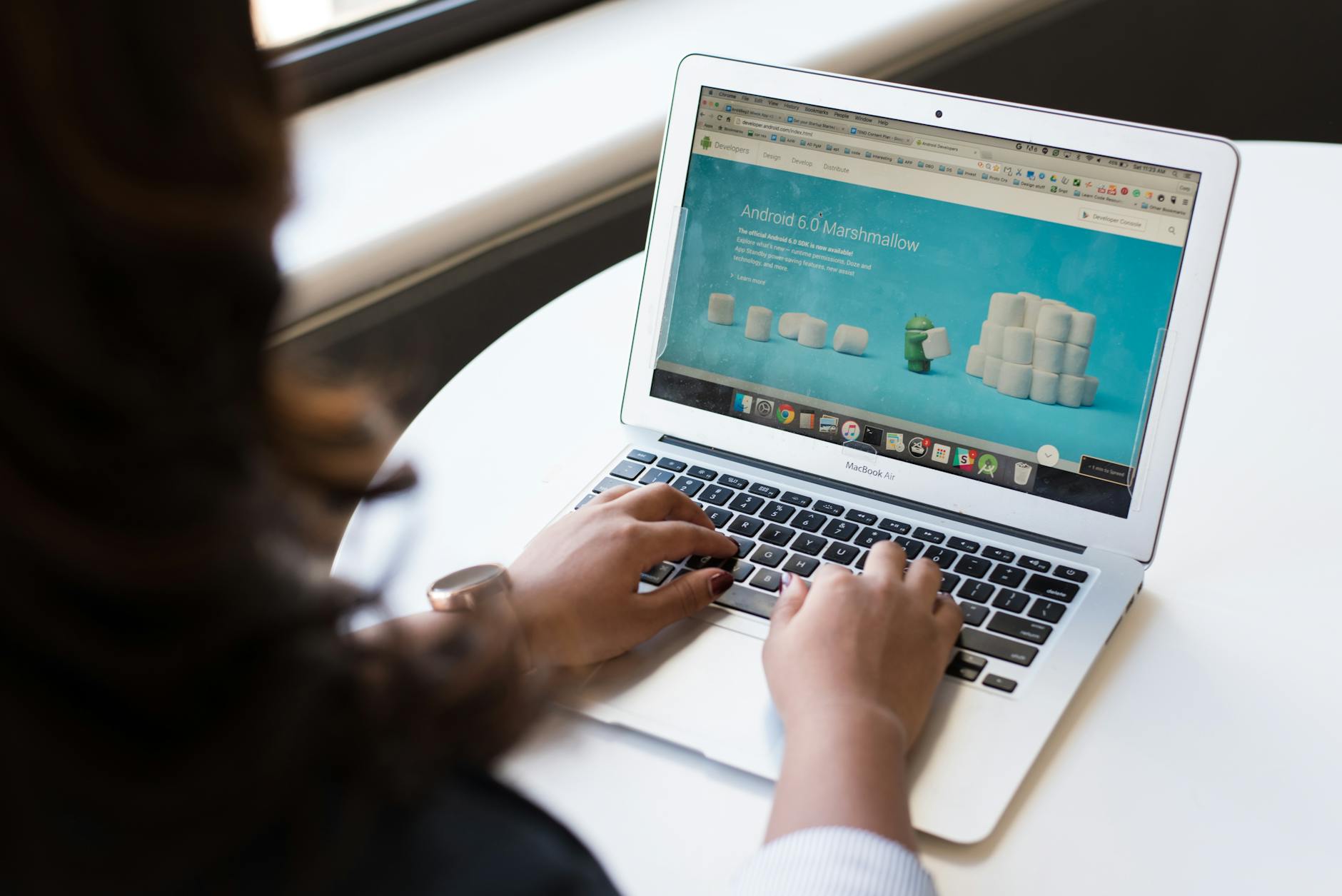
Getting your business online used to mean months of planning, big budgets, and a lot of waiting. Today, the gap between having an idea and having a live, professional website can be as short as a single afternoon. If you have been holding back because you assumed building a website required technical skills, this guide is going to change how you think about that.
This article is part of our complete guide: Launch Website in Minutes.
Website Builder For Beginners: Why Speed Matters When Starting Online
Every day your business stays offline is a day a competitor captures the customer who was searching for exactly what you offer. That lost ground compounds quietly, and by the time you finally launch, you may be starting from a steeper hill. The good news is that speed is now a real competitive advantage any business owner can claim. Modern platforms have removed nearly every technical barrier that once made launching a website a weeks-long project. If you can launch website quickly without code, you stop losing ground and start building momentum right away.
A slow-perfected site almost always loses to a fast, functional one, because customers form first impressions within a few seconds of landing on a page. A clean, live site that exists today beats a polished one that goes live in three months, full stop. Customers cannot buy from a website that is not there yet. Getting something real and professional in front of visitors early means you start learning what they respond to, which makes every improvement you make afterward smarter. Perfection is something you can work toward while already earning customers, not a prerequisite for showing up.
Modern website builders have genuinely collapsed what used to be weeks of setup into minutes. Domain configuration, hosting, SSL certificates, and responsive design all used to require separate vendors and technical know-how. Platforms built around AI now handle that infrastructure automatically, leaving you to focus on your message and your offer. For the first time, a business owner with no technical background can sit down on a Tuesday morning and be live by lunch. That shift in what is possible is worth taking seriously if you want to grow.
The Traditional Website Building Bottleneck
Hiring a professional web developer to build a custom site typically costs anywhere from a few thousand dollars to tens of thousands, and the timeline from brief to launch is rarely under six weeks. For a small business owner working with a tight budget, that combination of cost and wait time can feel impossible to justify. The development process also requires your ongoing input for revisions, which takes time you likely do not have to spare. By the time the site is live, the market context you built the brief around may have already shifted. This is the bottleneck that stops many businesses from launching at all.
Learning to code yourself sounds appealing until you realize that becoming functional in HTML, CSS, and even basic JavaScript takes weeks of focused study before you produce anything useful. Most business owners do not have weeks to dedicate to learning a new technical skill from scratch. Even after learning the basics, building a full website with a contact form, mobile responsiveness, and a clean layout takes considerably longer. The time investment is real, and the opportunity cost of spending it on something other than serving customers is high. Coding is a valuable skill, but it is not the only path to a professional online presence.
Juggling a domain registrar, a separate hosting provider, a design tool, and a content management system creates a kind of friction that catches most people off guard. Each platform has its own login, its own settings, and its own quirks, and connecting them correctly is where most launch delays happen. A misconfigured DNS record or an incompatible plugin can bring the whole project to a standstill for days. Even tools marketed as beginner-friendly often have manual setup steps buried in the process that require reading documentation or watching tutorials. All of that friction is exactly what a truly integrated website builder for beginners is designed to eliminate.
How to Get Live in Three Core Steps
Step 1: Generate Your Starting Point
AI Web Maker begins by asking you a few questions about your business type and goals, then generates a site template tailored to your industry in under five minutes. You are not choosing from a generic gallery and hoping something fits. The generated layout already includes the sections most relevant to your kind of business, whether that is a service page, a portfolio, a booking section, or a product overview. This starting point gives you something concrete to react to rather than a blank canvas that can stall progress. Most users find that the first generated template is already 70 to 80 percent of the way to what they want.
Step 2: Make It Yours
Customizing your homepage, contact information, and key pages happens inside a drag-and-drop editor that requires zero coding knowledge. You click on any text block to edit it, move sections up or down, swap images, and adjust colors to match your brand. There are no shortcodes to memorize and no theme files to edit. If you want to add a testimonial section or a call-to-action button, you drag it in from a panel and drop it where you want it. This step typically takes between thirty minutes and a couple of hours depending on how much content you already have ready.
Step 3: Attach Your Domain and Go Live
Once your pages look the way you want them, you attach your domain directly inside the platform and click publish. AI Web Maker handles the DNS configuration automatically so your site goes live immediately rather than making you wait for propagation settings to sort themselves out manually. There is no FTP upload, no server configuration, and no waiting on a developer to flip a switch. One click is genuinely all it takes. You will see your live URL within minutes of hitting that button.
What Happens After You Go Live
The moment your site is live, the built-in AI chatbot begins answering visitor questions around the clock without any additional setup on your part. Customers who land on your site at 11 p.m. on a Saturday get real, relevant responses rather than a silent contact form. The chatbot is trained on your business information, so it handles common questions about your services, hours, pricing, and location accurately. Every conversation it handles is one you did not have to interrupt your day for. This kind of always-on coverage is something small businesses previously needed a full support team to provide.
The integrated AI blog writer gives you a direct path to building organic search visibility after launch. You can prompt it with a topic relevant to your industry and it produces a full draft ready to review and publish, which means you can start generating content consistently without hiring a copywriter. Search engines reward sites that publish regularly, and consistent publishing is something most small business owners never quite find time for. Having the tool inside the same platform where your site lives removes the excuse of switching between tabs and tools. A few published posts in your first week begins to signal relevance to search engines right away.
Your integrated CRM captures every lead that comes through your site automatically, whether from a contact form, a chatbot conversation, or a booking request. Leads are organized with timestamps and source information so you always know who reached out and when. You never have to manually copy a contact from your email inbox into a spreadsheet again. The CRM also lets you log follow-up notes and track where each lead is in your pipeline. Keeping all of this inside one platform means nothing falls through the gaps between disconnected tools.
Common Fears and Why They Don't Apply
Many business owners worry that a site they built themselves will look unprofessional compared to something a designer produced. The templates inside AI Web Maker are built specifically for conversion, which means they are laid out the way customers expect to navigate a business site, with clear calls to action, readable typography, and imagery that does not feel stock-heavy. Polished and professional does not require custom design anymore. The gap between a template-based site and a custom one has narrowed to the point where most visitors cannot tell the difference. What customers notice is whether the site answers their question quickly, and that is something you control through your content.
A common concern is that the platform will handle the basics but leave you needing a developer the moment you want to grow. Because AI Web Maker includes a CRM, chatbot, and blog writer as part of the core product, most of the growth infrastructure you would otherwise hire someone to build is already there waiting for you. You do not need to bring in a third-party email tool, a separate chatbot subscription, or a freelance writer to start scaling your customer acquisition. Independence from expensive outside help is one of the most concrete benefits of choosing an integrated platform from the start.
Some business owners worry about being locked into a platform and losing control of their content or domain. Your content belongs to you, and you can export it at any time. Your domain is also attached through your own registrar account, meaning it does not live inside the platform in a way that creates dependency. Concerns about uptime are equally understandable, since a site that goes down loses customers and credibility. Automatic backups run continuously so your content is never at risk, and the platform infrastructure is designed for consistent uptime so your site stays live even during traffic spikes.
Your First Week After Launch
The first thing worth doing in your opening week is reviewing the conversations your AI chatbot is having with visitors. Those conversations are a direct window into what real customers are confused about, curious about, or ready to act on. If you notice a pattern, for example several visitors asking about your pricing or your turnaround time, that is a signal to add a clearer answer to your homepage or FAQ section. No customer survey or focus group gives you that kind of real-time feedback. Treat those conversations as free market research arriving continuously.
Publishing one or two AI-written blog posts in your first week begins building the kind of content library that search engines use to understand what your site is about. You do not need to write long, labored articles to start. A focused 500-word post answering a question your customers commonly ask is enough to begin. Pair the AI draft with a quick personal edit to add your voice and specific details, and you have something genuinely useful. Doing this consistently over weeks and months compounds into meaningful organic traffic.
Review the leads coming into your CRM early and respond to them faster than you normally might. The research on lead response times is consistent: the faster you respond, the higher your close rate. Use what you learn from those early inquiries to refine your headline or your call-to-action button. Changing one element at a time and watching how visitor behavior shifts gives you a data-driven path to improving conversion without guesswork. Your first week online is rich with signal if you pay attention to it.
The distance between having no website and having a live, fully functional one has genuinely collapsed. You do not need a developer, a design background, or weeks of free time to build something your customers will trust and use. Getting started is the part that matters most, and that part is now as simple as a few clicks and one productive afternoon.
See everything AI Web Maker can do for you.
Visit AI Web Maker →