Website Builder vs Custom Development: ROI for Small Business
Compare the real costs, timelines, and business outcomes of website builders versus hiring developers to understand which path delivers better returns.
See everything AI Web Maker can do for you.
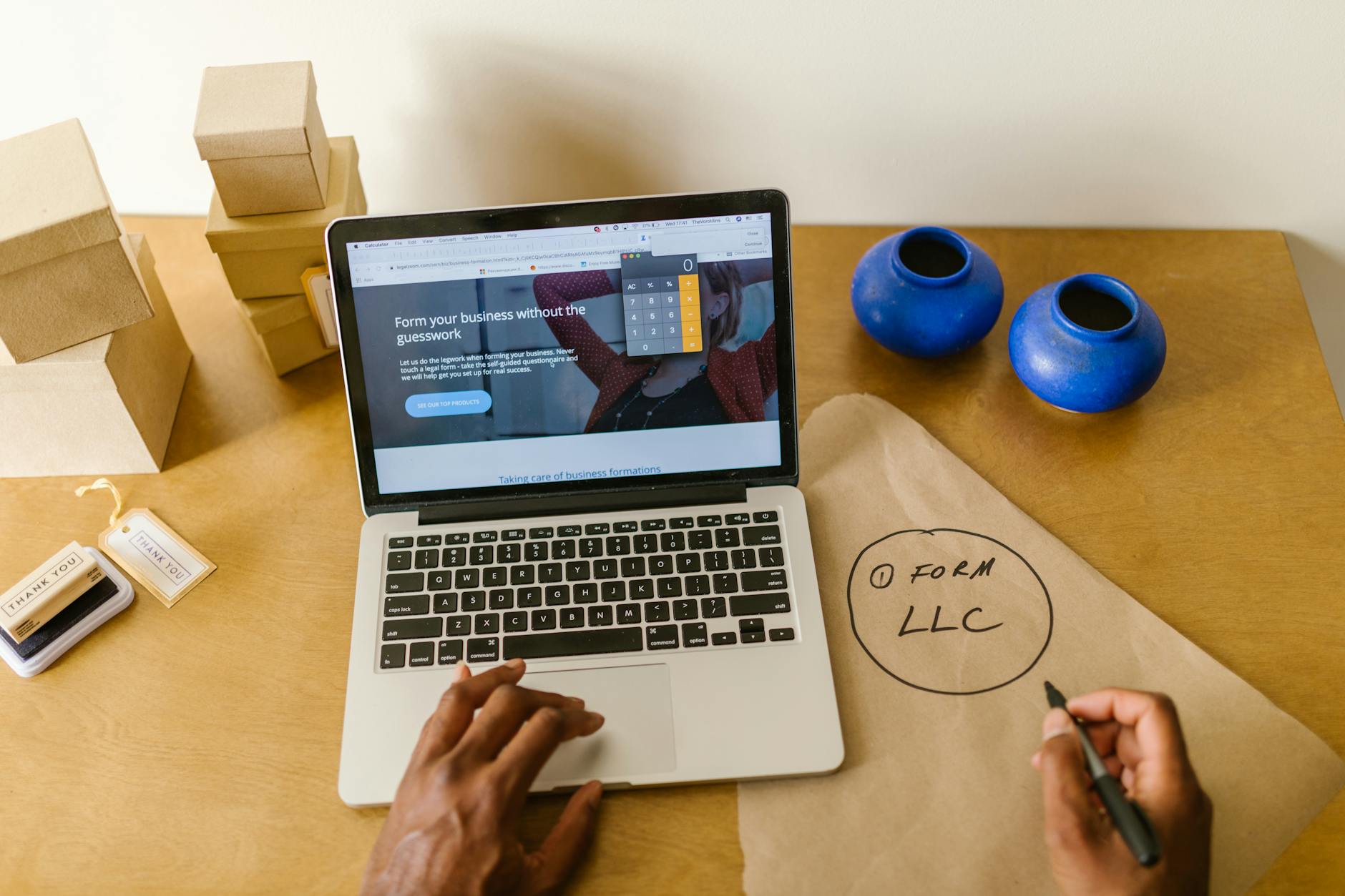
If you are a small business owner deciding how to build your website, the choice between a website builder and custom development will shape your budget, your timeline, and how quickly you start earning from your online presence. Most people assume custom-coded sites are always the professional choice, but the numbers tell a more complicated story. Understanding what each option actually costs, and what it actually delivers, is the only way to make a decision that works for your business.
This article is part of our complete guide: Best Website Builder for Business.
The True Cost of Custom Web Development
Hiring a developer or agency to build your website from scratch carries a price tag that catches many business owners off guard. Upfront design and development fees typically range from $5,000 to $50,000 or more, depending on the complexity of the project and the experience level of the team you hire. Beyond the initial quote, the timeline alone is a significant cost: most custom projects run eight to sixteen weeks from the first briefing call to a live URL. That is two to four months during which your business has no website and no leads coming from it. When the site finally launches, the expenses do not stop, because most developers charge $500 to $2,000 or more per month for ongoing maintenance, security updates, and bug fixes. You also carry hidden costs that rarely appear in the original proposal, including domain registration, dedicated hosting, SSL certificate renewals, and fees for design revisions whenever your brand or services change.
The Hidden Overhead Nobody Quotes You
Beyond the invoices you can see, custom development carries an ongoing time cost that falls entirely on you. Every change request requires a written brief, a developer estimate, and an approval cycle before a single line of code moves. Small updates like correcting a service description or adding a new team member photo can sit in a queue for days. That dependency on a third party slows your ability to respond to your own market. Over a year, those accumulated delays represent lost opportunities that never appear on a balance sheet but are very real. Understanding this overhead is essential before committing to a custom build.
What Website Builders Actually Deliver in Days
A modern website builder closes the gap between "I need a site" and "my site is live" down to a matter of hours or even minutes. Pre-built templates handle the visual design work for you, and a one-click publishing workflow means that once you attach your domain, your site goes live automatically without waiting on a third-party developer. All-in-one monthly pricing bundles hosting, domain attachment, and platform tools into a single predictable line item, so there are no surprise invoices from separate vendors. Critically, you stay in control: updating your hours, adding a new service page, or swapping a photo happens the moment you decide to do it, not when a developer gets to your ticket. Platforms like AI Web Maker go a step further by including built-in tools such as a CRM, an AI chatbot, and an AI blog writer directly inside the builder. That integration means you are not paying for three or four separate software subscriptions on top of your website costs.
Speed as a Business Advantage
Going live in days rather than months is not just a convenience. Every week your website is absent is a week a competitor is collecting the search traffic and enquiries you could have had. A business that launches a clean, functional site in week one starts building domain authority, capturing email addresses, and logging prospects almost immediately. That compounding head start is difficult to recover once a competitor has established themselves in your local search results. For service businesses especially, the contact form and booking flow are revenue-generating assets from the moment they go live. Speed to market is a genuine return on investment, not just a nice-to-have.
Where Custom Development Wins (and When It Doesn't)
There are situations where custom development genuinely earns its price. Highly specialised e-commerce operations with complex inventory logic, multi-currency requirements, or deep third-party integrations can genuinely exceed what standard platforms handle well. A business processing thousands of orders a day with custom fulfilment workflows is a reasonable candidate for bespoke development. However, most small businesses are nowhere near that level of complexity, and industry experience consistently shows that roughly 80 percent of small business use cases fit comfortably within what modern website builders already offer. Service businesses, local retailers, consultants, agencies, and lead-generation sites all fall into that majority. Custom sites also age poorly relative to the investment, because web standards, browser requirements, and design trends shift every few years, and updating a custom codebase to keep up means returning to developers and paying again.
Switching Costs Nobody Warns You About
When you eventually need to change developers or agencies, the cost goes well beyond the new team's hourly rate. A new agency must learn your existing codebase from scratch before touching a single line, which adds cost and risk to every future change. If the original developer used unconventional frameworks or poor documentation practices, that learning curve becomes even steeper. Some business owners find themselves effectively locked in to a developer relationship because switching feels too disruptive or expensive. That dependency is a structural risk that grows the longer the site runs without a rebuild. Builder platforms eliminate this problem entirely because the platform itself is the constant, not any individual developer.
Real ROI: Time to Revenue vs Money Spent
When you frame the decision as a return on investment question rather than a quality question, the numbers shift dramatically in favour of website builders for most small businesses. A builder plan typically runs $30 to $100 per month, and your site can be collecting leads within the first week of your decision to build. Compare that to a custom development project where you may invest $15,000 to $30,000 or more before a single visitor ever lands on your page. The payback period reflects that gap clearly: a builder can break even in weeks because the monthly cost is low and revenue starts arriving almost immediately. Custom development payback stretches to months or longer, and that assumes the project launches on time and on budget, which is not guaranteed. Consider a service business like a plumber or a marketing consultant: launching on a builder platform in week one means the contact form is live, the AI chatbot is fielding enquiries, and the CRM is logging prospects while a competitor is still waiting on developer availability.
Measuring What Actually Matters
A useful way to compare the two options is to calculate cost per lead in the first six months. Divide your total spend by the number of qualified enquiries your site generates, and the comparison becomes concrete rather than theoretical. A builder running at $60 per month with modest traffic can generate leads at a fraction of the cost of a custom site still in development. That six-month window is also when your messaging, your calls to action, and your service descriptions get tested and refined through real visitor behaviour. With a builder, you make those refinements yourself in minutes. With a custom site, each revision is a billable conversation.
Integrated Tools: The Hidden Advantage of Modern Builders
One of the most underappreciated costs of a custom website is the software ecosystem you still have to assemble after it launches. A custom site gives you a front-end, but it does not give you a CRM, a chatbot, an automated email sequence, or a content publishing workflow. Those tools each come with their own monthly subscription, their own login, and their own integration to maintain. When a chatbot platform updates its API and breaks the connection to your custom site, you are back to calling a developer. Website builders that include AI-powered business tools inside the platform eliminate that fragmentation from the start. With a CRM, AI chatbot, and blog writer built into the same dashboard where you manage your pages, your entire customer acquisition workflow runs in one place.
Fewer Integrations, Fewer Failures
Every integration between two separate software platforms is a potential point of failure. A disconnected CRM that stops syncing, an email tool that loses its authentication token, or a chatbot that goes offline after a platform update all require time and often money to fix. Small businesses without a dedicated IT person absorb that burden personally, which takes time away from actually running the business. Consolidating your tools inside a single platform removes most of those failure points before they ever become problems. Fewer subscriptions also mean a lighter monthly budget and a simpler accounting picture. That operational simplicity has a real dollar value that is easy to overlook when comparing feature lists.
How to Choose: Questions That Reveal Your Real Needs
Before committing to either path, answer a short set of honest questions about your business situation. First, do you need the site live in weeks rather than months? If yes, a builder wins that round without argument. Second, will your site content change frequently as you add services, publish articles, or run promotions? Builders are designed for ongoing self-service updates, while custom sites make frequent changes expensive. Third, do you have a technical team or a developer already on staff? If not, a builder removes the dependency entirely and keeps you moving. Fourth, does your business model fall into a standard category such as services, product sales, or lead capture? The vast majority of small businesses do, and a builder handles all three without customisation.
One Final Gut-Check Before You Decide
After working through those practical questions, sit with one more: what happens if the project runs over time or over budget? Custom development projects routinely do both, and the consequences fall on you. A builder has a fixed monthly cost and goes live when you are ready, not when a development sprint is complete. If your business is at a stage where cash flow is tight and speed matters, that predictability is worth a great deal. Most small business owners, when they think through the full picture, find that the case for custom development is narrower than it first appeared. And the case for a fast, integrated, capable builder is stronger than they expected before they ran the numbers.
Choosing between a website builder and custom development is ultimately a business decision, not a technical one. For most small businesses, the faster launch, lower ongoing cost, and integrated tools that modern builders provide translate directly into better returns and less operational friction. If your needs fit the standard mould, which they most likely do, getting your site live quickly and letting automated tools work for you from day one is the smarter investment.
See everything AI Web Maker can do for you.
Visit AI Web Maker →